1Read5 min
Understand
A short reading that explains what your mind is doing today, and why you feel the way you do.

Good days stillstay in our hearts.
So you can remember them with more love — and less overwhelming pain.
The Goodbye Process™ is a 15-minute-a-day grief programme designed to help you actively work through the loss, one small step at a time.
See How It WorksCreated for grieving pet owners who don’t want to just ‘wait for time to pass.’
These are thoughts many pet owners have after a loss.
The house feels empty without them.
I still expect to see them in their usual spot.
Some days I suddenly start crying again.
I keep wondering if I could have done more.
Grief after losing a pet is real and valid. You’re not overreacting, and you’re not alone.
Daily life changed overnight.
Your mind naturally searches for answers.
Feeling guilty does not mean you were guilty.
Grief can resurface in ordinary moments.
Photograph to source
Empty dog bed, one toy still in it, soft daylight, shot on a phone from standing height. No animal in frame — the emptiness is the subject.
Photograph to source
A hand about to take a lead off a hook by the front door. Close crop, natural light, no face. The muscle memory of a walk that isn’t happening.
Photograph to source
A quiet living room, the spot on the sofa where they used to sit, light from a window. Nobody in shot.
Your life knows they’re gone.Part of your brain is still expecting them.
That’s not weakness — it’s a normal part of grief.

You’ve been told to give it time.
grief therapists would simply send people home.
They don’t.
They talk throughdifficult thoughts.
They work onguilt and avoidance.
They revisitmemories.
They help peoplegradually adapt.
Because grief can be worked through actively.
Therapists use a combination of proven approaches to help people process loss. At home, you can do many of the same things in a simple, compassionate way.
We turned these principles into a 30-day programme you can follow privately at home.
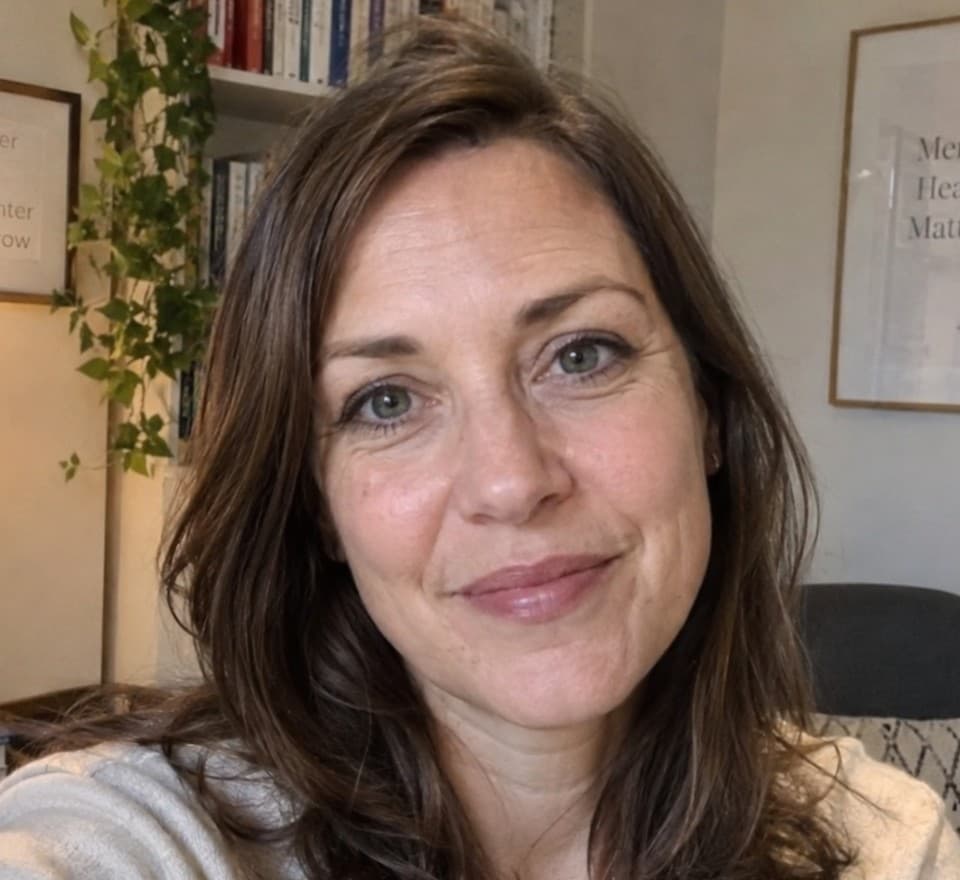
The person behind The Goodbye Process™
After helping more than 5,000 people over 10 years with pet grief in private practice, I created The Goodbye Process™ so people can work through their loss more independently. Most people never see a therapist, and they suffer in silence. This programme brings compassionate, evidence-informed tools to you — at home, at your own pace.
With you,
Dr Emily CarterCounselling Psychologist · A fellow pet lover and therapist
10+ yearsof practice
5,000+ peoplehelped
Designed withgrief and pet-bereavementtherapeutic principles
Before you publish — Five claims here have to be true and documented before launch: the 5,000 people, the 10 years, “evidence-informed”, “therapist”, and “Counselling Psychologist” — that last one is an HCPC-protected title, so check her registration is current. Note too that the heading calls her a pet bereavement specialist while her stated qualification is counselling psychologist; both can be true, but make sure the page says what she actually is. Keep a record of how each is evidenced. The maquette said “evidence-based” — that is a stronger claim than most self-guided products can support, so this uses “evidence-informed”; put “evidence-based” back only if you can cite the evidence. Decide too whether to name the author: an unnamed “I” making these claims is the weakest version of this section.
Different pets. Different stories. The same feeling — it helps.
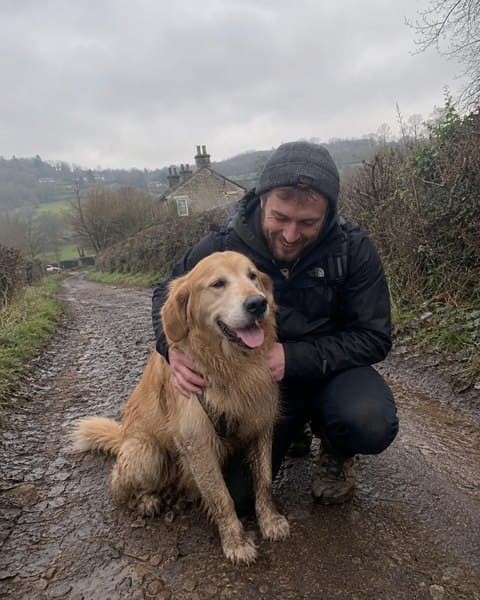
“I still feel guilty about having to say goodbye. I keep wondering if I made the right decision and if I could have done more. The Goodbye Process helped me work through that guilt and finally feel at peace with the love I gave him.”
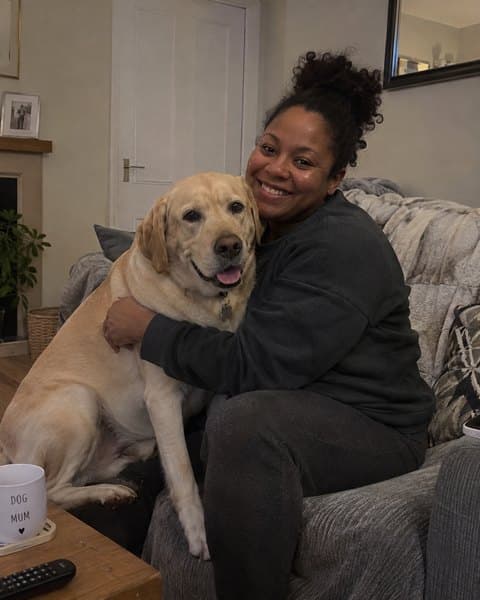
“The house felt so empty without her. I’d catch myself listening for her paws or looking for her in every room. I thought time alone would make it easier, but I just felt stuck. The Goodbye Process gave me the space to grieve and slowly feel like myself again.”
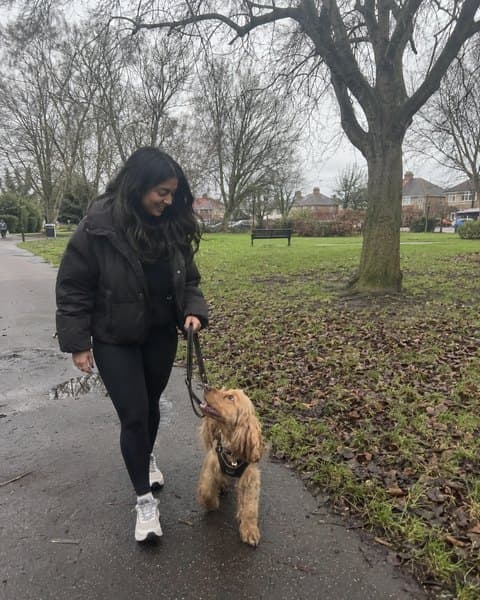
“Everyone kept telling me ‘he was just a dog’. It really hurt. The Goodbye Process helped me feel that my grief is valid and that the bond we shared matters. It gave me comfort when I felt like no one else understood.”
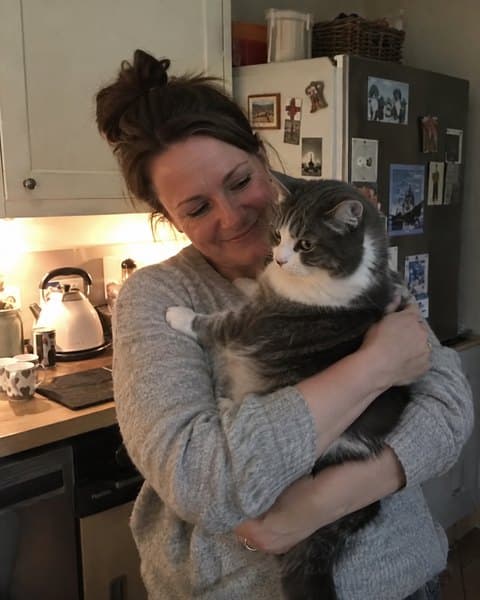
“I was dreading the silence without him. I didn’t think anything could help and I wasn’t sure I wanted to talk about it. The Goodbye Process was gentle and straightforward, and it helped me process my loss in a way that felt right for me.”
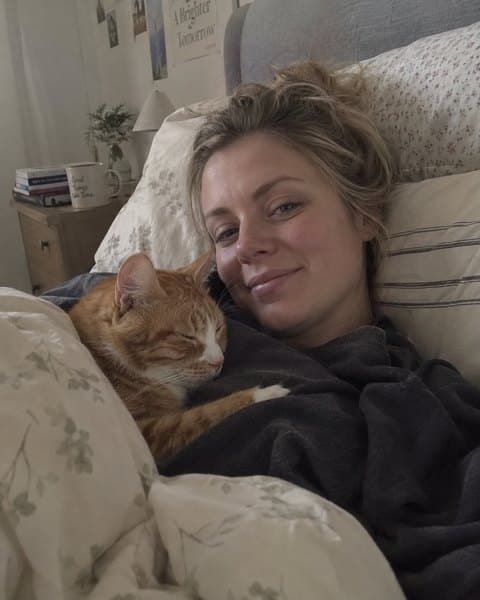
“I struggled so much with sleep after losing him. I’d wake up reaching for him and then feel this rush of sadness. The Goodbye Process gave me tools to handle those waves of grief, especially at night, and helped me feel calmer and more in control.”
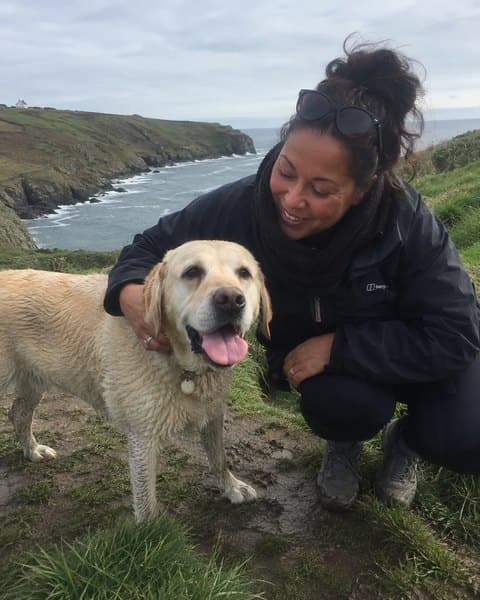
“I didn’t realise how much I was holding in until the grief hit me in waves. Some days I felt fine, then suddenly I’d be in tears. The Goodbye Process helped me understand that this is normal and gave me practical ways to move through the harder days.”
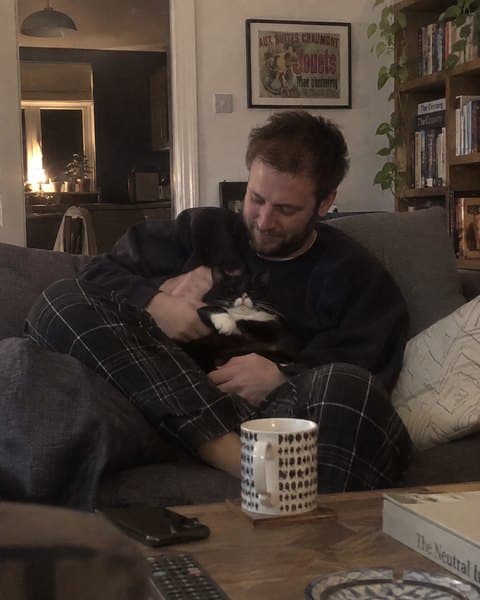
“I felt really alone in my grief. Most of my friends didn’t get how hard it was to lose a cat. The Goodbye Process helped me feel less isolated and gave me a way to remember him that feels positive rather than just painful.”
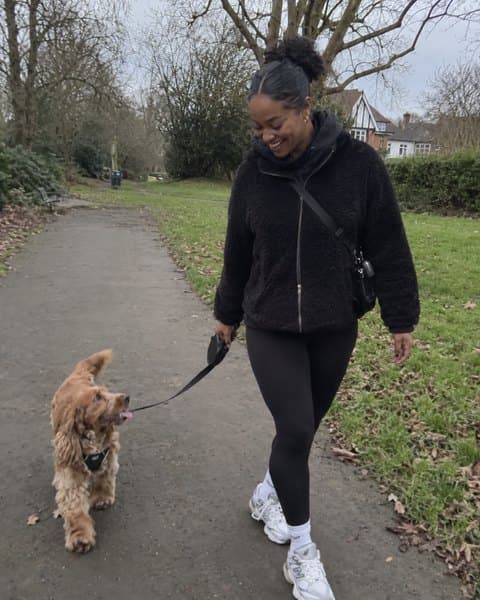
“I kept replaying everything, wondering if I missed a sign or could have done something differently. The Goodbye Process helped me let go of that overthinking and focus on all the good memories instead of what I might have done wrong.”
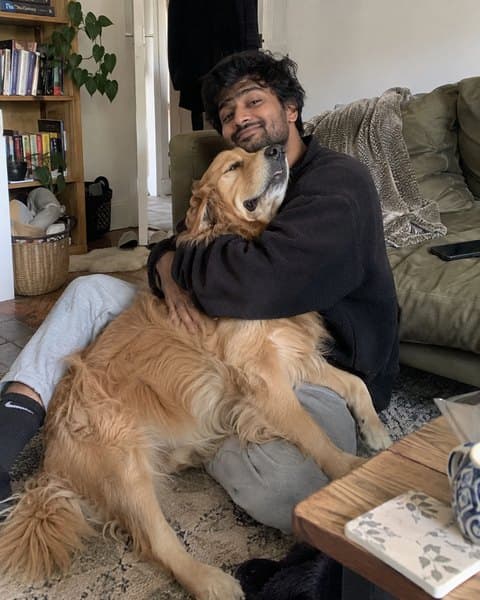
“Months later I still felt stuck. I thought I should be over it by now, but the grief kept coming back. The Goodbye Process helped me finally make sense of all those feelings and gave me a way to honour him while moving forward with my life.”
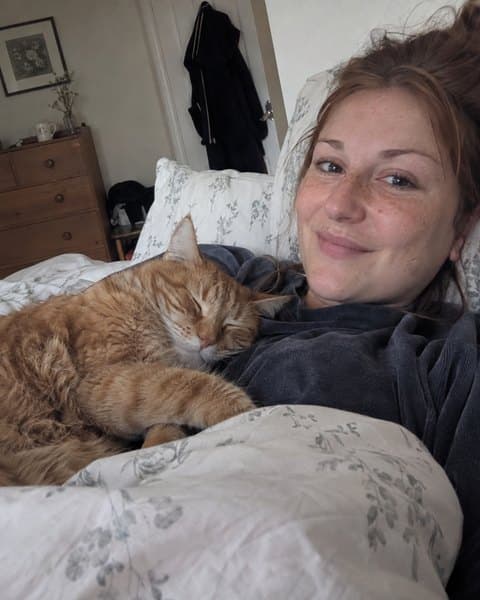
“I didn’t think I needed help — I just wanted to get on with it. But I wasn’t prepared for how much it would hurt. The Goodbye Process helped me slow down, process my emotions and feel close to her again in a new way. I’m so glad I gave it a try.”
One 15-minute session a day. For 30 days.
ReadReflectWriteMove forward
1Read5 min
A short reading that explains what your mind is doing today, and why you feel the way you do.
2Reflect4 min
Guided questions to pin down what is actually going on for you — the absence, the guilt, a memory, a broken routine, the fear of forgetting.
3Write6 min
One concrete writing exercise on that day’s trigger, so what you are carrying has somewhere to go.
Close it. Go back to your day. Come back tomorrow.
The 30 sessions are not interchangeable. They run in an order.
Days 1–6
Absence, the emotions underneath it, what sets them off, and the routines that broke.
Days 7–12
Guilt, the what-ifs, the euthanasia decision, “did I do enough?”
Days 13–18
Loosen the grip of the painful memories that take up all the room, and reconnect with the whole of your story together.
Days 19–24
The empty house, the old timings, the walks, coming home — and building new anchors.
Days 25–30
Moving forward without the feeling that you are forgetting them, or letting them go.
By Day 30, the goal isn’t to stop missing them.
It’s to be able to carry the memory without the same emotional weight.
Today
Every reminder pulls you straight back under.
Day 30
You can think of them, feel sad, and not be overwhelmed every time.
Same shape every time: read, reflect, write.
Day 7
Read · Reflect · Write · 15 min
Day 15
Read · Reflect · Write · 15 min
Day 22
Read · Reflect · Write · 15 min
Not ready to publish — Days 15 and 22 carry only the single line that was briefed. Replace all three with the real session copy before launch — this section is where perceived value is won or lost, so vague entries cost more here than anywhere else on the page.
30 days to make their absence easier to carry — one 15-minute session at a time.
Gentle, age-appropriate guidance to help children understand loss, ask questions and say goodbye in their own way.

Their lovegoes on ♡
Neither, really. It’s a 30-day programme you work through — a session a day, each with a short reading, guided questions and a writing exercise. It’s delivered digitally, so nothing is posted to you and nothing arrives at the door on a hard day. Use it on a phone, a tablet or a laptop, or print the exercises if you would rather write by hand.
Fifteen minutes: about five reading, about ten reflecting and writing. Some days take less. Over the month that comes to roughly seven and a half hours of guided work — spread thinly enough that you can do it on a bad day.
There’s no window that closes. People come to this a few weeks after, and people come to it years after — often because something brought it all back, or because the questions never settled. Nothing in the process assumes your loss is recent.
Guilt is one of the things the programme spends most time on — the decision, the timing, the treatment, the signs you think you missed. We can’t promise how you’ll feel, but you won’t be left alone with those questions.
No. Many people come to it after making the decision to let their pet go, and that has its own section. It works just as well after a sudden loss, an illness, an accident, or a pet who went missing.
Yes. There’s a dedicated section on helping children through pet loss, with age-appropriate language, suggestions for what to say, and gentle activities you can do together.
This is a self-guided guide, not therapy, and it isn’t a substitute for it. It also points you towards professional support, and it’s worth using. If your grief feels too heavy to carry alone, speak to your GP, or call the Blue Cross Pet Bereavement Support Service free on 0800 096 6606. [Add your own vetted counsellor and therapist resources here once you have checked them.]

Start with 15 gentle minutes a day.
Let time help — but don’t leave all the work to time.